

When Do Children Lose Their First Tooth?

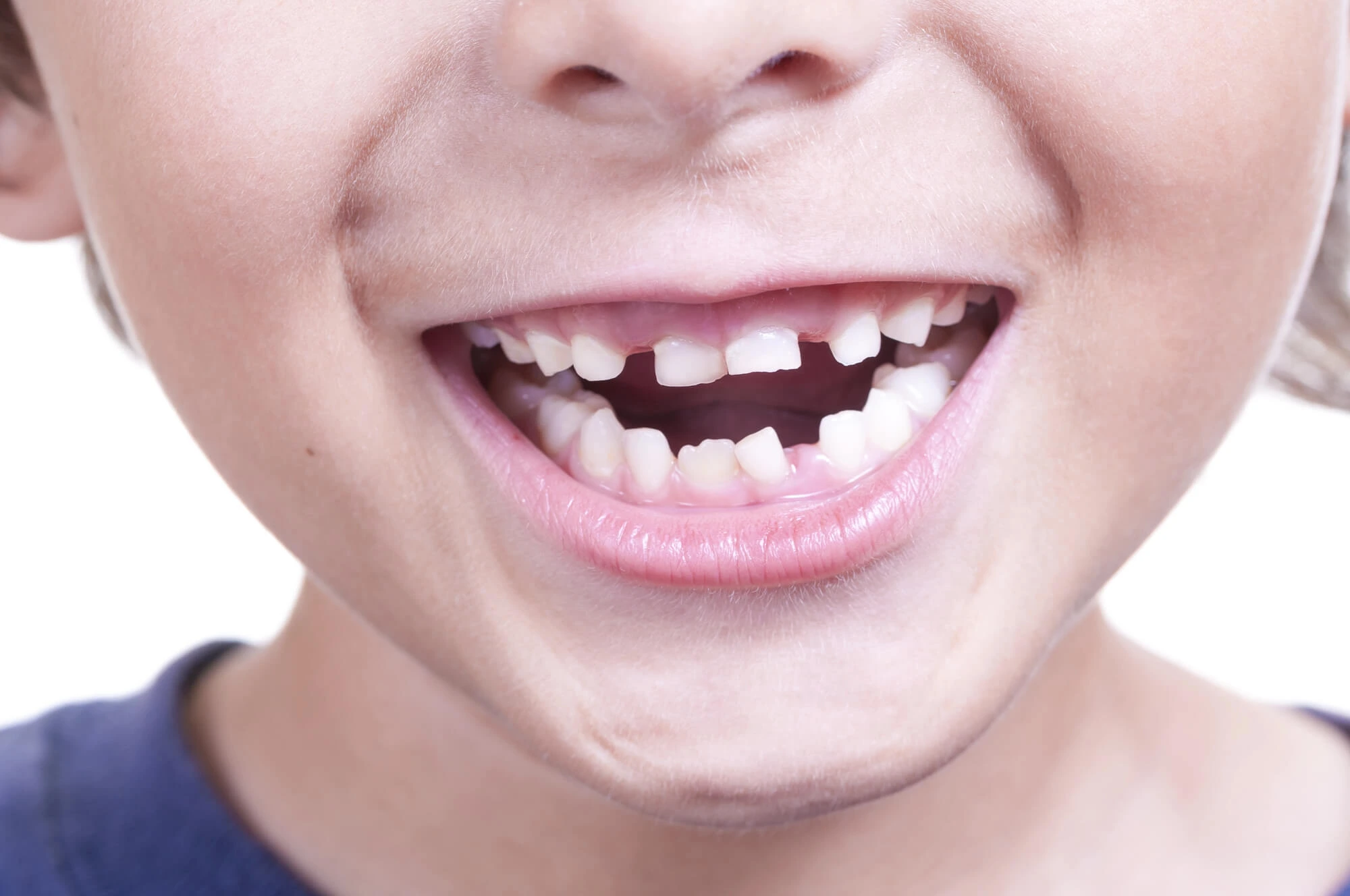
One of the most exciting times in a child's early development is losing their first tooth. For many families, this marks the start of a new chapter, complete with tooth fairy visits, growing smiles, and new oral health habits. But when does it happen? Will it hurt? And are there any signs parents should visit a Haddonfield family dental office?
Whether you're a first-time parent or simply looking for reassurance, this guide will walk you through everything you need to know about when your child loses their first tooth—and how to keep their dental health on track.

Typical Timeline: When Do Baby Teeth Start Falling Out?
Most children lose their first tooth between the ages of 5 and 7. This can vary depending on genetics, early tooth development, and even oral habits like thumb-sucking.
The lower central incisors (the bottom front teeth) are usually the first to go, followed by the upper central incisors. From there, teeth typically fall out in the order they erupted during infancy. Here’s a general tooth loss timeline:
- Ages 5–7: Lower and upper central incisors
- Ages 7–8: Lateral incisors
- Ages 9–12: Canines and first molars
- Ages 10–13: Second molars
By age 12 or 13, most kids have lost all their baby teeth, making room for permanent adult teeth.
What Are the Signs a Tooth Is Ready to Fall Out?
Some common signs that your child is about to lose a tooth include:
- Looseness: The tooth wiggles easily when touched.
- Discomfort while chewing: A loose tooth may cause mild irritation.
- Visible adult tooth: You might see the new tooth pushing in behind or under the baby tooth.
- Excitement or concern: Kids often talk about it or become curious when they notice changes.
If you notice all of these signs in your child, don’t act. It’s common in TV shows to demonstrate new, unique ways to pull out a loose tooth, but it’s better to let the tooth fall out naturally. You can encourage gentle wiggling, but avoid forceful pulling, which can lead to pain or infection.
How to Care for a Loose Tooth
As your child approaches this phase, focus on good oral hygiene:
- Brush twice a day using a soft-bristled toothbrush.
- Floss daily to remove debris from tight spaces.
- Avoid sticky or hard foods that can dislodge a tooth prematurely.
If your child experiences bleeding or discomfort, rinse with warm salt water and apply a cold compress. If the tooth doesn’t come out on its own after several weeks, give our office a call.
When to See a Dentist
At Haddonfield Family Dental, we recommend regular checkups every six months starting at age 1. But if you notice:
- A baby tooth remains in place after the adult tooth is fully in.
- Crowding or misalignment as teeth come in,
- Or your child is losing teeth too early or too late
Then it’s time to schedule a visit. Early intervention can prevent orthodontic issues and ensure proper dental development.
Worried About Your Child’s Smile? Schedule a Haddonfield Family Dental Visit
If you live in the Haddonfield area and have questions about your child's dental development, we can help. Our friendly team specializes in family and pediatric dentistry, providing compassionate care in a relaxing, kid-friendly setting. Schedule your child's dental appointment at Dental Arts of Haddonfield today and help them reach every milestone in good health!
