

What's the Best Age for Removing Wisdom Teeth (And What Are the Risks of Delaying Extraction)

Wisdom teeth (your third set of molars) typically appear between the ages of 17 and 25. In some cases, their eruption is smooth, just like any other tooth. More often than not, wisdom teeth bring a plethora of problems, prompting dentists to recommend prompt tooth extraction in Haddonfield and Cherry Hill.
When patients fear dental extractions and haven’t experienced issues with their wisdom teeth (yet!), it’s common to feel tempted to leave them as they are. However, your teenage years can be the optimal time for wisdom tooth extraction. Delaying the procedure can lead to serious dental issues down the road.
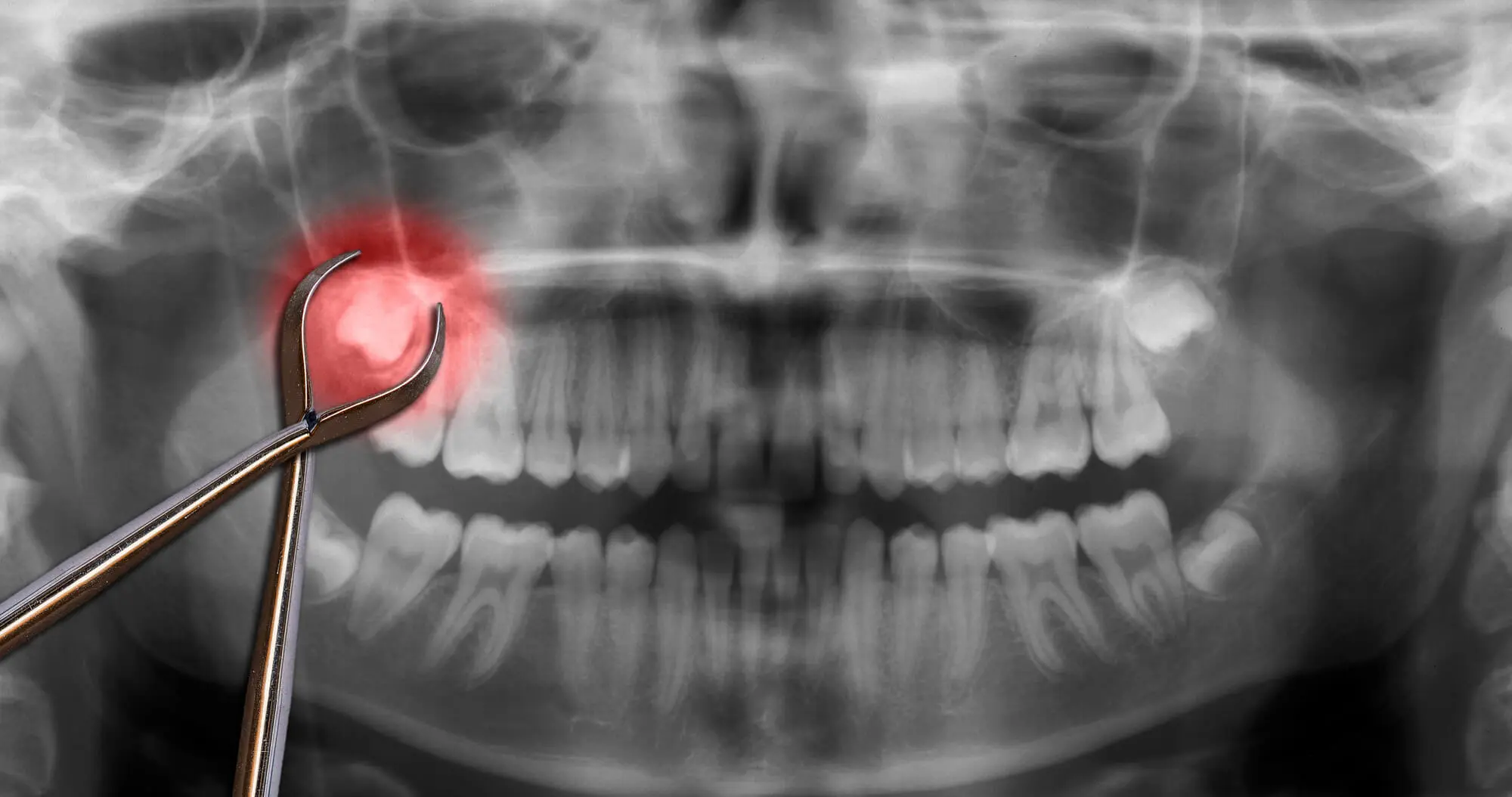
Why Timing Matters for Wisdom Tooth Extraction
Most dental professionals agree: the ideal age for wisdom teeth removal is between 16 and 20. At this stage, the roots are not yet fully formed. The bone is also softer, and healing occurs more quickly.
Removing them early and before complications arise means fewer surgical risks, less discomfort, and a smoother recovery. By contrast, waiting until your late 20s or 30s gives your jawbone time to grow in density and toughness, making extractions more painful and complicated.
To make matters worse, your wisdom teeth continue to grow in your jaw. If not removed early on, root entanglement can occur, which is the possibility of the tooth’s roots touching a vital nerve.
Removing a wisdom tooth with root entanglement can lead to postoperative complications. Instead, early extraction often prevents the need for more invasive procedures later in life.
Clear Signs It’s Time for Removal
Even if your wisdom teeth haven't caused pain yet, that doesn’t mean they’re not a problem. The most common reasons your dentist may recommend removal include:
- Impaction: The tooth grows sideways or doesn’t fully erupt, pressing against other teeth or bone.
- Pain and Pressure: Ongoing discomfort in the back of your mouth is often the first warning sign.
- Swollen or Bleeding Gums: This may indicate gum infections caused by partially erupted wisdom teeth.
- Crowding or Shifting Teeth: Your smile alignment could be at risk, even if you’ve had braces.
- Cyst Formation: In rare cases, untreated wisdom teeth can develop fluid-filled sacs that damage the jawbone.
The Risks of Delaying Wisdom Tooth Extraction
If you’re over 25 and still have your wisdom teeth, you’re not alone. However, be aware that the risks of waiting increase over time.
As mentioned, fully developed roots make the extraction more complex, necessitating the presence of a specialist and additional sedation options—and thus leading to higher surface costs.
Moreover, as bone becomes denser with age, recovery time also increases. Looking at the bigger picture, dentists' dedication to removing wisdom teeth isn’t a whim: it’s a time-tested solution designed to protect your oral health long-term.
When Wisdom Teeth Don't Need to Be Removed
Of course, not all wisdom teeth need removal. In rare cases, if they are fully erupted, straight, healthy, and easy to clean, they can be left in place. However, this should only be confirmed through a comprehensive dental evaluation, including X-rays and regular monitoring, to ensure your third molars remain in top condition.

Protect Your Smile with a Wisdom Tooth Extraction in Haddonfield and Cherry Hill
If you're between 16 and 25, this is the ideal time to act. And if you're older and wondering if it's too late, it’s not. However, delaying further could result in more pain, increased costs, and a greater risk.
Our trusted dental team at Dental Arts of Haddonfield specializes in gentle, modern tooth extractions with a strong focus on patient comfort. Whether it’s your first consultation or you’re ready to schedule surgery, we’re here to help. Contact us today to get started!
