
What Is Baby Bottle Tooth Decay & How to Prevent It Early

As a parent, nothing matters more than your child’s health—and that includes their tiny teeth. But did you know that one of the most common threats to your baby’s smile can start before their first birthday? At our Haddonfield dental practice, we often see children affected by baby bottle tooth decay, also known as early childhood caries.
It’s surprisingly common yet highly preventable once you understand the small, seemingly innocent habits that could be damaging to loved ones’ developing smiles.
What Is Baby Bottle Tooth Decay?
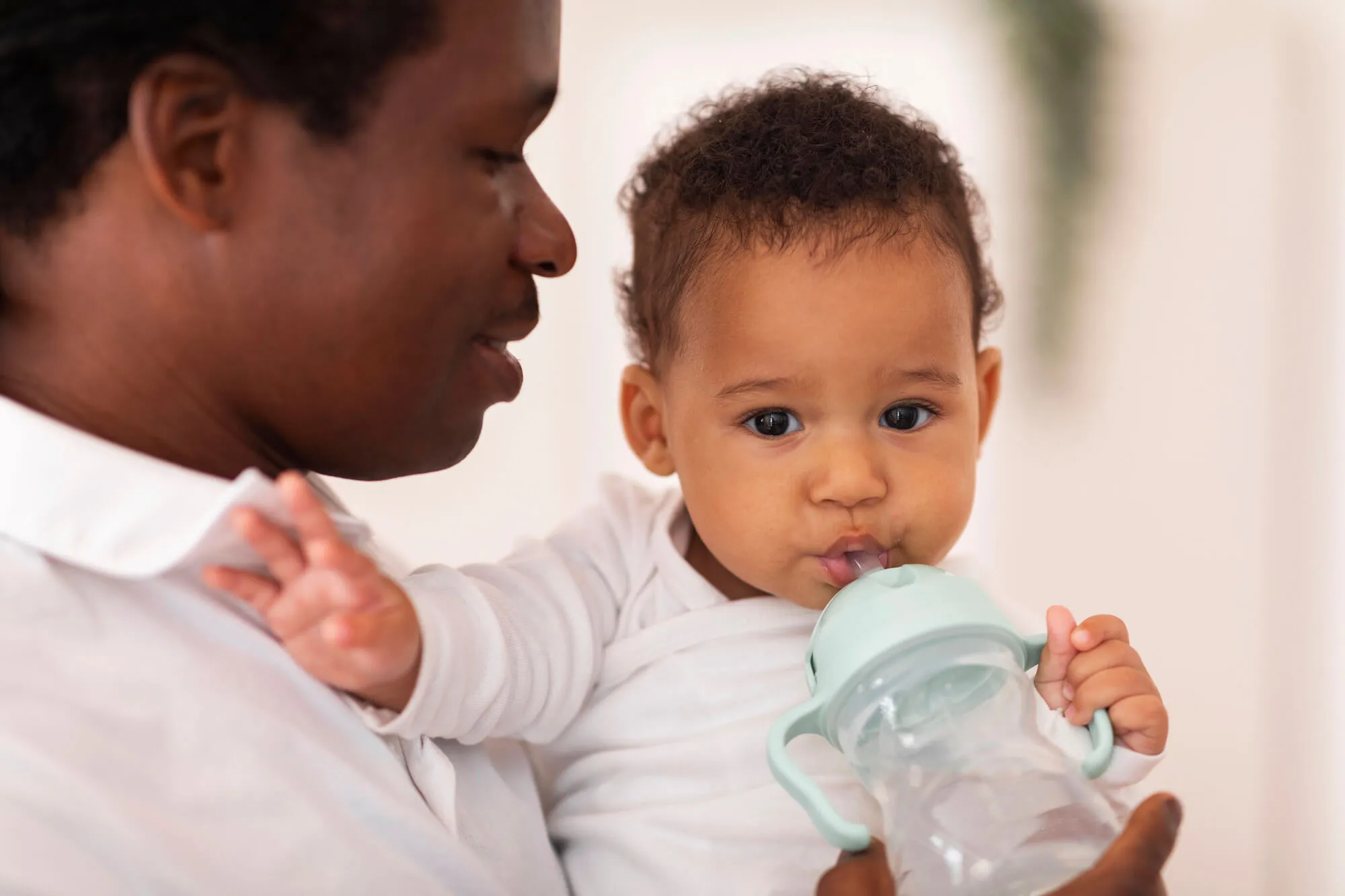
Baby bottle tooth decay is defined as cavities in an infant's or toddler's front teeth caused by frequent, prolonged exposure to sugary liquids such as formula, juice, or milk, particularly during naps or at night.
When a baby falls asleep with a bottle, sugars accumulate around the teeth, feeding harmful bacteria. These bacteria then produce acid, which wears away enamel and eventually causes decay. This condition can affect children as young as 12 months and progress quickly if left untreated.
Why It Matters More Than You Think
You may be tempted to brush it off, thinking that they're just baby teeth, and they'll fall out anyway. However, this is a common misconception.
Baby teeth are critical to your child's development. They:
- Help with speech and chewing
- Maintain space for permanent teeth
- Support jaw growth and facial structure
For all of these reasons, protecting your child’s baby teeth is crucial. Ultimately, untreated decay can cause pain, infections, and premature tooth loss, which may impact nutrition, self-esteem, and the alignment of adult teeth later on.
Common Signs of Baby Bottle Tooth Decay
Dentists recommend that you take your child to their first dental visit as soon as their baby teeth start to emerge. This gives us ample time to catch issues like baby tooth decay early on, before it can progress to a more serious issue. Additionally, it helps children become accustomed to the idea of visiting the dentist and establish good habits early on.
Nevertheless, if you want to check for signs of baby bottle tooth decay at home, look for:
- White spots or chalky patches on the front teeth
- Brown or black spots
- Red, swollen, or bleeding gums
- Fussiness or sensitivity during feeding
- Bad breath or signs of discomfort when brushing
If you notice any of these symptoms, it’s time to consult your Haddonfield dental team right away.
How to Prevent Baby Bottle Tooth Decay
The good news? With the right habits, baby bottle tooth decay is almost entirely preventable. For example, avoid letting your baby sleep with a bottle. Nighttime feedings should be finished before bed. Letting your child fall asleep with a bottle keeps sugar in contact with their teeth for hours.
Additionally, make it a habit to clean their gums daily, even before the first tooth arrives! Gently wipe your baby’s gums with a clean, damp cloth. Once teeth appear, use a soft-bristled infant toothbrush and a tiny smear of fluoride toothpaste.
When to Transition from Bottles
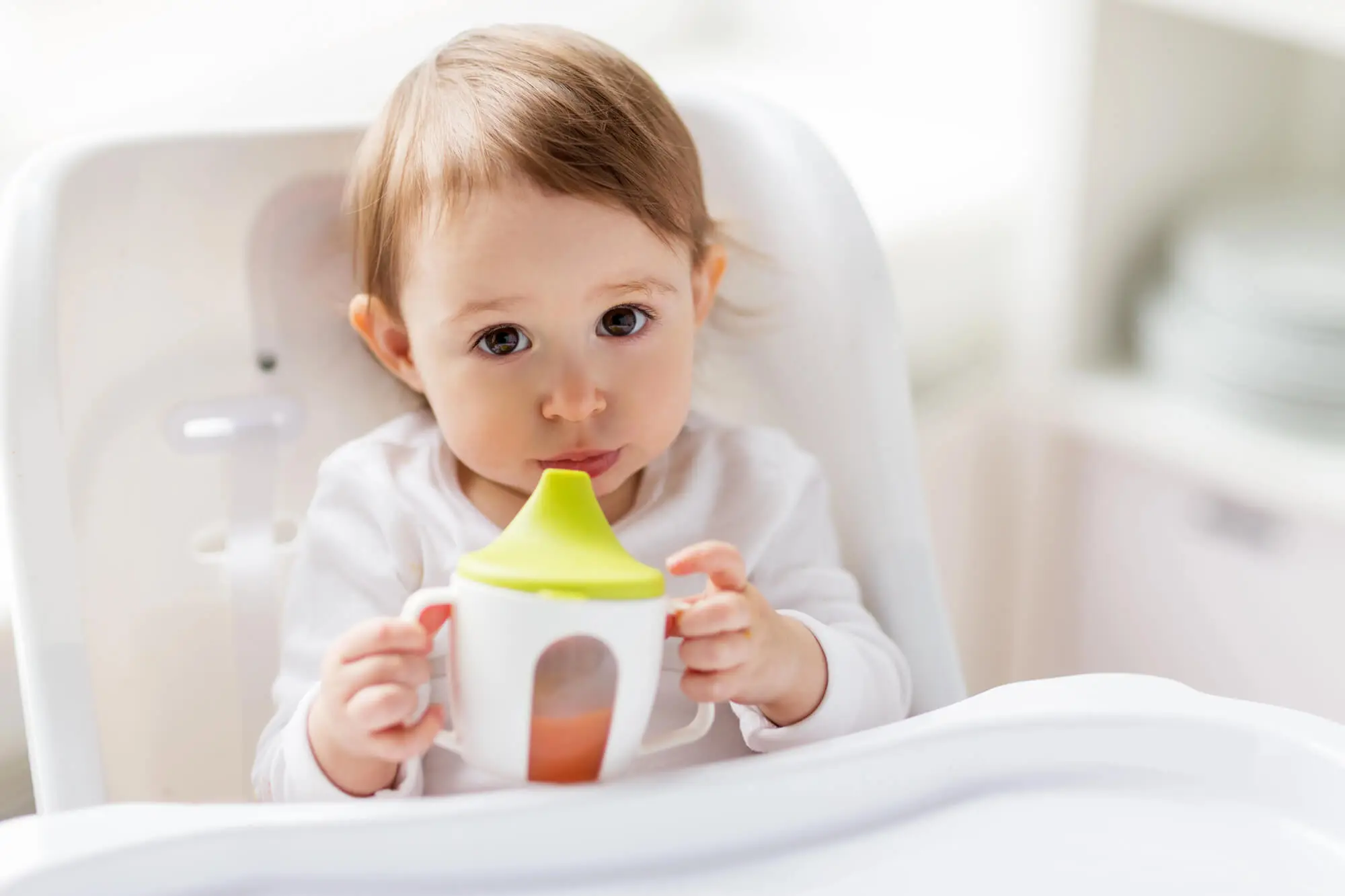
We recommend introducing a sippy cup around 6–8 months and fully weaning off bottles by 12–14 months. This reduces the risk of decay and supports proper oral development.
Partner with a Haddonfield Dental Team That Cares
At Dental Arts of Haddonfield, we’re not just here to treat—we’re here to prevent. Our team takes a gentle, proactive approach to pediatric care, helping parents build strong oral habits from day one.
If you have concerns about your child’s teeth or it’s time for their first check-up, please give us a call. We’ll guide you through every step, from toothbrushing tips to nutrition guidance—all in a warm, welcoming environment.
