
Veneers vs. Bonding: Which Cosmetic Option Fits You?
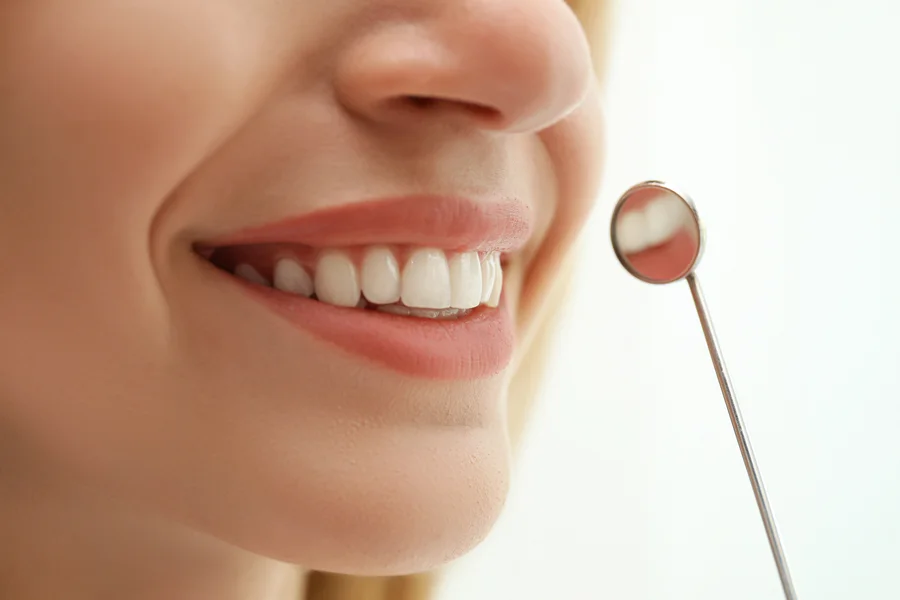
A composite bonding repair and a porcelain veneer can look nearly identical the day they're placed, but a pooled analysis of clinical trials found bonding holding up at about 88% after two to eight years. A separate review of porcelain veneers put survival closer to 93% at ten years.
That gap does not mean one option is simply better. It means the right choice depends on what a patient actually needs from the treatment, which is exactly the kind of judgment call worth walking through with a cosmetic dentist in NJ before committing to either one.
What Actually Separates the Two Materials
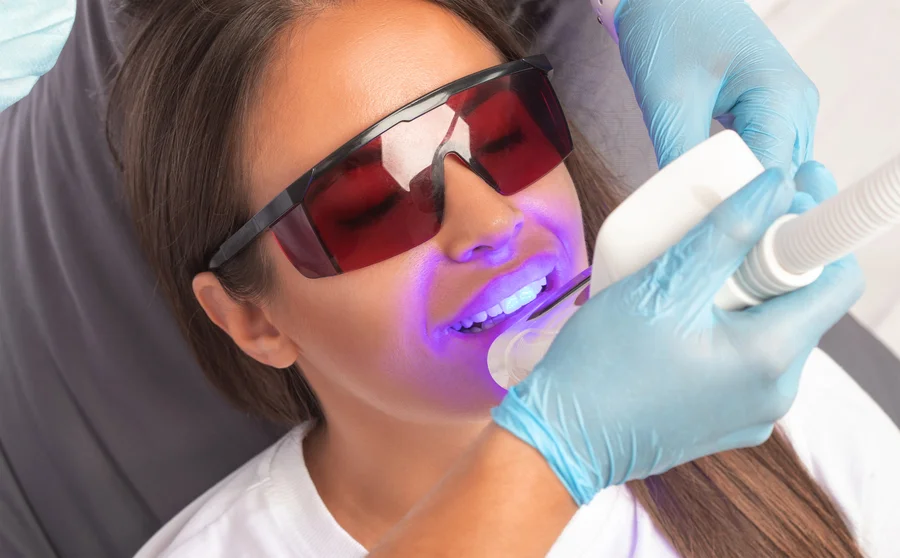
Bonding is a resin material applied directly to the tooth, shaped by hand, and hardened with a curing light in a single visit. Veneers are thin porcelain shells fabricated outside the mouth, typically over two appointments, then bonded to the front of the prepared tooth. That difference in fabrication explains most of what follows: bonding can be adjusted or repaired chairside since the material is still soft before curing, while a veneer that chips or de-bonds usually needs to be remade entirely.
The Durability Gap, By the Numbers
The research on both materials is more specific than most marketing pages suggest. A systematic review of randomized trials found composite bonding survived at roughly 88% across follow-up periods ranging from two to eight years, with surface roughness and minor discoloration as the most common complications rather than outright failure. A separate meta-analysis of porcelain veneers reported a survival rate of nearly 93% at the 10-year mark, with most failures involving de-bonding or fracture rather than gradual wear.
Neither number tells the whole story on its own. Bonding's lower survival rate reflects a material that ages visibly rather than failing catastrophically, and many of those "failures" are actually just a polish or minor touch-up away from looking new again. This is precisely the kind of nuance a cosmetic dentist in NJ can walk a patient through, since a number on a research page does not account for an individual's bite, habits, or how a tooth was prepared.
A quick way to think about which option tends to fit a given situation:
- A single chipped or slightly discolored tooth often responds well to bonding
- Multiple teeth needing a uniform, dramatic color or shape change lean toward veneers
- A tighter budget or a "let's try it first" mindset favors bonding's lower upfront cost
- A long-term investment with fewer touch-up maintenance points toward porcelain
- Enamel that is already thin or compromised may rule out traditional veneer preparation
What You're Actually Paying For
The price difference between bonding and veneers is not just about material cost. Veneers require removing a thin layer of enamel to make room for the porcelain shell, which is a permanent change to the tooth that cannot be undone. Bonding does not require that step, which is part of why it is often described as more conservative, even though it is not entirely maintenance-free either.
This is also where the case for consulting a cosmetic dentist in NJ before making a choice becomes more than a formality. A dentist examining the tooth in person can flag enamel thickness, bite forces, or staining depth that changes, which option actually makes sense, details that are impossible to judge from a photo or a general description online. Financing options are also available for patients weighing the cost difference between the two treatments.
How the Decision Gets Made at a Consultation
At Dental Arts of Haddonfield, Dr. Heidi Choi and Dr. Shiv walk patients through both options during a cosmetic consultation, looking at the specific tooth or teeth involved rather than defaulting to whichever treatment is more common. Bonding and veneers are sometimes combined with professional teeth whitening as well, since matching the surrounding teeth's shade first can change how many teeth actually need cosmetic work at all.
Talk to a Cosmetic Dentist in NJ About Your Options
Choosing between veneers and bonding is easier with someone who can actually examine the tooth and explain the trade-offs in plain terms. Dental Arts of Haddonfield offers cosmetic consultations with a cosmetic dentist in NJ who can help you decide which option fits your smile, your budget, and how long you want the results to last.
Call the office to schedule a visit and get a straight answer about which path makes sense for you.
