

How to Know If You Need a Dental Crown
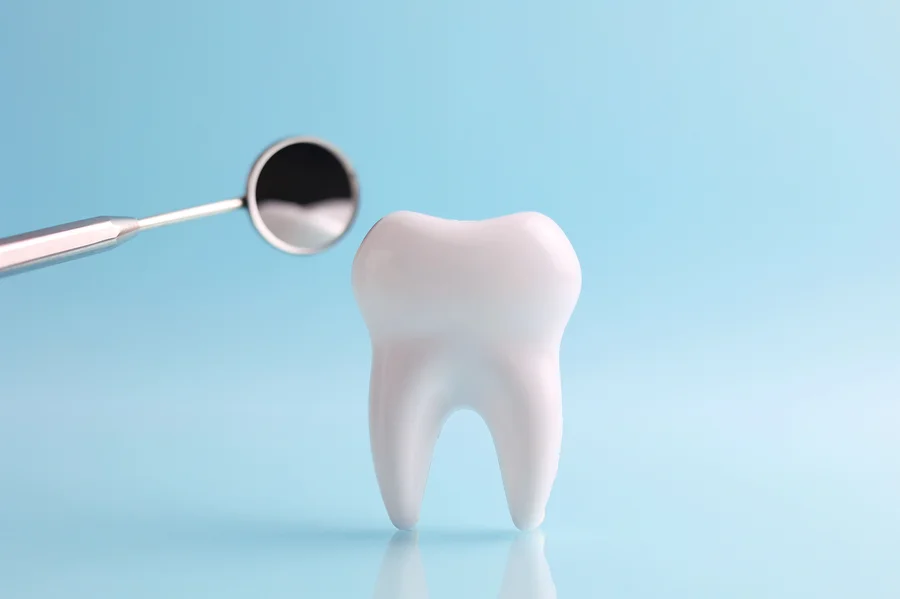
Not every damaged tooth needs the same fix. A small cavity might only need a filling, while a tooth with more serious damage often needs something sturdier to keep it functional for years to come. Knowing the difference is exactly why it helps to have a crown dentist in NJ take a look before deciding on treatment, rather than assuming the smallest, cheapest option will hold up over time.
When a Filling Isn't Enough
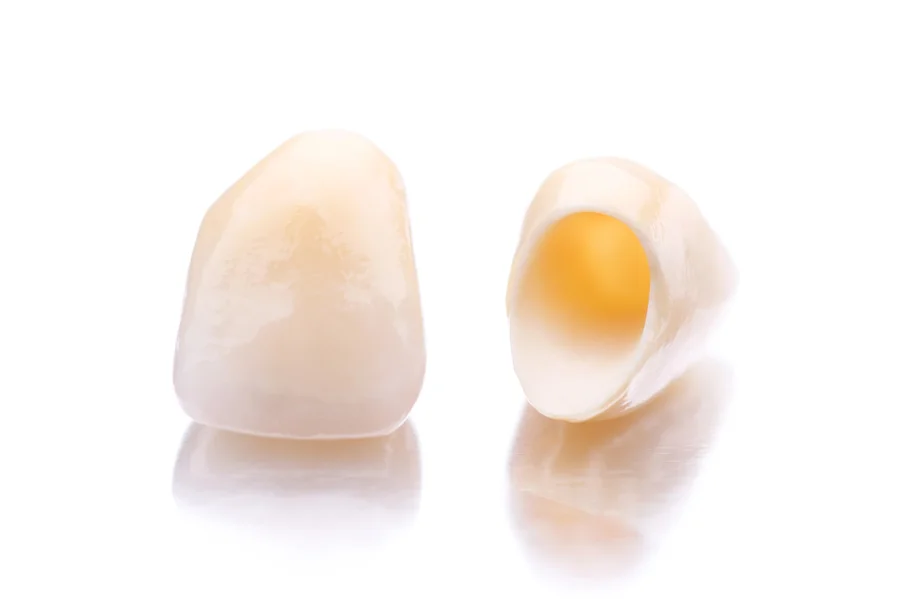
Fillings work well for cavities and minor chips, but they have limits. Once decay or damage takes up too much of the tooth's structure, a filling no longer has enough healthy tooth left to bond to securely, and forcing the issue can mean the filling fails again within a year or two. In that situation, a crown is the more reliable option because it covers the entire visible portion of the tooth rather than filling just one section.
Interestingly, there is also a middle ground: an inlay or onlay can sometimes restore a tooth that is too damaged for a standard filling but not quite bad enough to need a full crown, which is one more reason an evaluation from a crown dentist in NJ matters more than guessing based on how a tooth feels or looks in the mirror.
Signs Worth Getting Checked
A handful of signs suggest that a crown dentist in NJ should take a look, rather than assuming a filling will do the job on its own.
- A visible crack or fracture line, especially one that seems to be getting longer over time
- Sharp pain when biting down on a specific tooth, even if the pain fades quickly
- A tooth that has become noticeably worn down, often from years of grinding
- A large old filling that has started to crack or fall out
- A tooth that has recently had root canal treatment
That last point deserves its own explanation. After root canal treatment removes the nerve from inside a tooth, the tooth is more prone to fracture because it no longer has the internal cushioning that healthy pulp once provided, and it also loses the pain signal that would otherwise warn you if a crack were forming.
A crown placed afterward protects what is left of the tooth. It lets you bite down normally without worrying about it splitting under everyday pressure.
What a Crown Actually Does
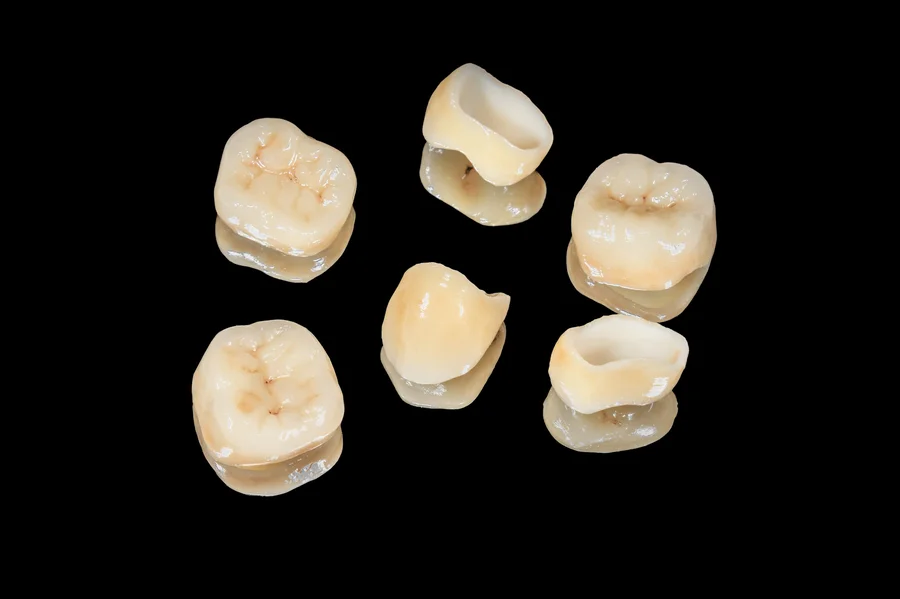
A crown works by covering the entire tooth above the gumline, distributing the force of chewing evenly across the entire structure rather than concentrating pressure on a single weakened spot.
According to the Cleveland Clinic, crowns can strengthen a weak tooth, protect a cracked one, and restore a tooth that has become worn down or broken. With proper care, they typically last between five and fifteen years, sometimes considerably longer.
That kind of protection is often the difference between keeping a tooth for another decade and eventually needing an extraction.
Dr. Ha Young Choi evaluates each tooth individually rather than defaulting to the same recommendation across the board, since a crack that looks minor on the surface can sometimes run deeper than it appears, while a tooth that looks worse can occasionally still be saved with a more conservative option.
Wondering If You Need a Crown Dentist in NJ?
If a tooth feels different when you bite down, has a visible crack, or has been sensitive for longer than expected, it is worth having it checked by a crown dentist in NJ before the damage gets more serious. Dental Arts of Haddonfield can evaluate your tooth and let you know whether a crown, a filling, or something in between makes the most sense for your specific situation.
Request an appointment today to get a clear answer.
